

MRT and LRT Expansion: Measuring Economic Returns
How the Klang Valley MRT expansion is reducing travel time by 30 minutes for commuters while creating over 15,000 construction and operational jobs across the region.
Read MoreExploring how major infrastructure investments—from MRT and LRT expansion to port modernisation and smart city initiatives—are reshaping Malaysia’s economy and creating sustainable multiplier effects across regions.
Malaysia’s infrastructure sector drives significant economic returns. Major projects like the Klang Valley MRT expansion and port modernisation are creating jobs, improving logistics efficiency, and attracting foreign investment across the nation.
Dive into in-depth analysis of major projects, investment returns, and economic impacts shaping Malaysia’s future.
How the Klang Valley MRT expansion is reducing travel time by 30 minutes for commuters while creating over 15,000 construction and operational jobs across the region.
Read More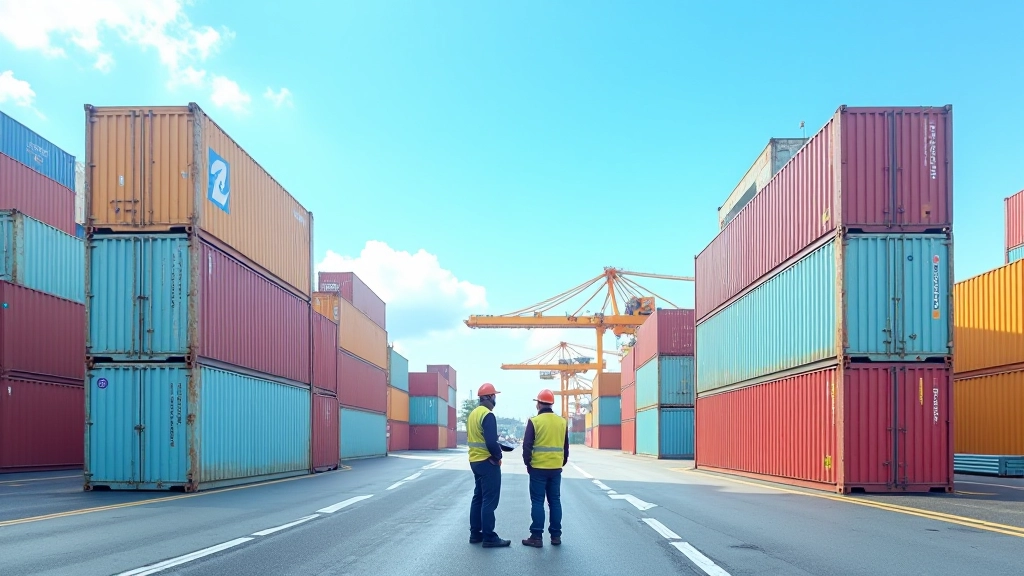
Recent investments in Port Klang and Penang Port automation have cut container processing times in half and increased regional trade competitiveness significantly.
Read More
Kuala Lumpur’s smart city projects are integrating IoT sensors, AI traffic management, and data analytics to improve urban efficiency and quality of life for residents.
Read More
The Pan-Borneo Highway and other major road projects are generating strong ROI through reduced logistics costs, faster goods movement, and accelerated rural economic development.
Read MoreInfrastructure investments don’t just create direct jobs—they ripple through the entire economy. When construction workers earn wages, they spend locally. When ports process more cargo faster, businesses expand operations. When smart cities reduce congestion, people save time and money.
Malaysia’s experience shows real numbers. The MRT expansion generated 15,000+ direct jobs and supported over 40,000 indirect positions in supply chains and services. Port automation investments cut operational costs by 20-25%, making Malaysian ports more competitive globally. Highway improvements reduced logistics costs for regional trade by an estimated 15%, enabling smaller businesses to access new markets.
These aren’t theoretical benefits. They’re tangible changes reshaping how goods move, how people commute, how cities function. Each infrastructure project becomes a foundation for broader economic growth—attracting manufacturers seeking efficient logistics, enabling startups through better connectivity, and creating opportunities across regions that weren’t previously competitive.
Understanding the current landscape of infrastructure development in Malaysia
Seamless connectivity between MRT, LRT, bus systems, and future rail networks is creating an integrated mobility ecosystem that reduces private vehicle dependence and improves urban air quality.
Modernised ports, improved highways, and logistics hubs are reducing single-point failures in supply chains, making Malaysia a more reliable regional hub for manufacturing and distribution.
Smart city technologies aren’t just improving efficiency—they’re enabling cities to monitor and reduce energy consumption, water usage, and emissions in real-time.
Better infrastructure attracts foreign direct investment, enables local businesses to scale regionally, and positions Malaysia competitively within ASEAN for trade and manufacturing.