
Port Modernisation Driving Logistics Efficiency
Recent investments in Port Klang and Penang Port automation have cut container processing times in half and increased regional trade competitiveness significantly.
Why Port Infrastructure Matters
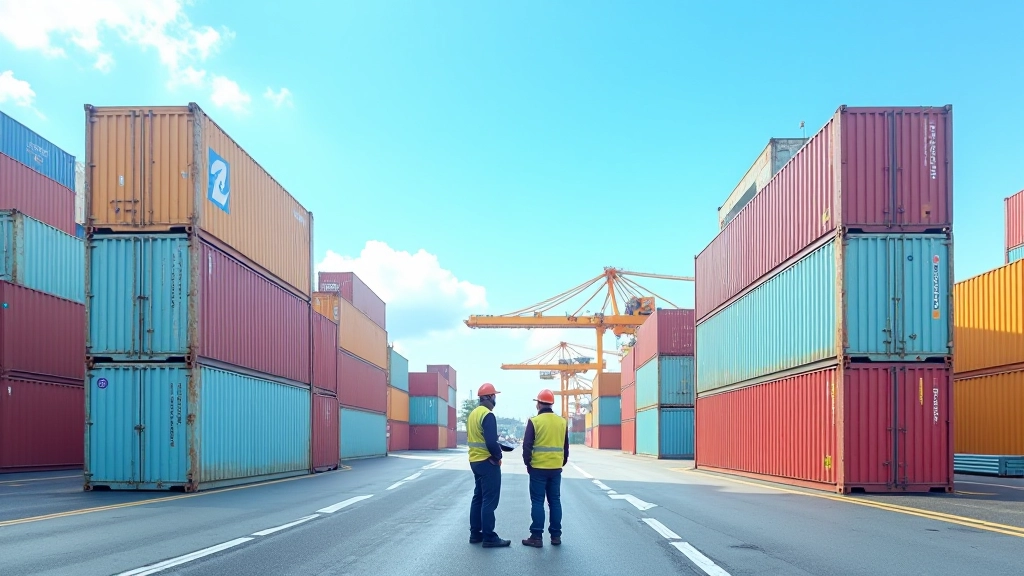
Malaysia’s ports aren’t just loading docks. They’re economic engines. When a container ship pulls into Port Klang, it’s not just moving goods — it’s moving money, jobs, and opportunity through the entire Southeast Asian supply chain.
The real transformation? It’s happening behind the scenes. Automated cranes that work around the clock. Digital systems tracking every container in real time. Smart gates that process vehicles in seconds instead of minutes. These aren’t flashy upgrades. They’re efficiency multipliers that reshape how competitive Malaysia is on the global stage.
Automation: The Game Changer
Here’s what’s changed. Five years ago, a container ship would dock and human operators would manually coordinate the unloading process. It was efficient for the time. But it had limits. Weather delays everything. Labor shifts mean gaps in operations. Mistakes happen when people are tired.
Port Klang’s new automated quay cranes? They don’t get tired. They don’t need breaks. A ship that used to take 48 hours to unload now moves in 24 hours. The crane operator controls it from a climate-controlled cabin using cameras and sensors. One operator manages what used to take three people.
The cost savings are obvious. But the real win is speed. Shipping companies can turn around faster. Exporters get their goods moving quicker. Importers receive products on schedule. That reliability is what makes Malaysia attractive to major logistics networks.

Smart Port Systems
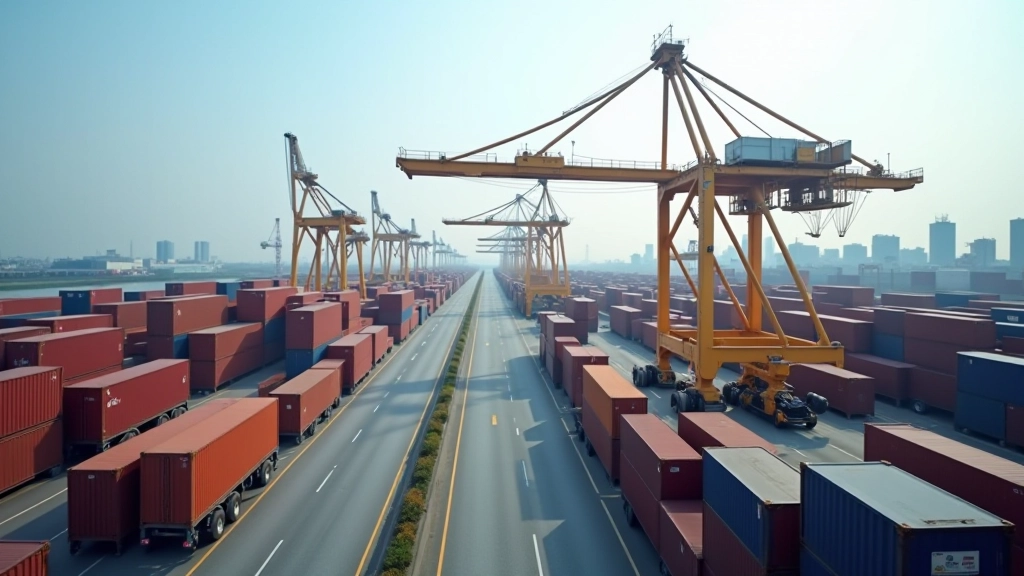
Digital integration is what ties everything together. When a container arrives at Penang Port, the system already knows where it came from, what’s inside it, and where it’s going. No paperwork delays. No manual data entry errors. Everything’s connected.
The port authority uses real-time tracking to manage traffic flow. Truck arrivals are coordinated to prevent congestion at the gates. Rail connections are scheduled to move containers inland efficiently. It’s like a choreographed dance — everyone moves at the right time to keep momentum going.
Key Technologies Deployed
- IoT sensors tracking container location and condition
- AI-powered scheduling for optimal vessel berthing
- Automated gate systems processing 200+ vehicles per hour
- Blockchain-based documentation for supply chain transparency
Economic Multiplier Effect
Port efficiency doesn’t exist in a vacuum. When ships move faster, entire supply chains accelerate. Manufacturers get raw materials quicker. Exporters meet deadlines. Jobs get created across the economy.
Manufacturing Sector
Electronics and semiconductor companies rely on just-in-time inventory. Faster port processing means they can maintain tighter supply chains and reduce warehousing costs. That translates to lower production costs and higher competitiveness.
Regional Trade
Port Klang and Penang Port aren’t just handling Malaysian cargo. They’re transshipment hubs for the entire region. Faster processing attracts more regional business. That’s increased vessel calls, more container volumes, and growing port revenue.
Employment Growth
Modernization shifts jobs from manual labor to technical roles. Crane operators, system engineers, logistics coordinators, software developers. It’s not replacement — it’s transformation. New skills mean better wages and career advancement.
Measurable Results
Numbers don’t lie. Port Klang’s modernization project started in 2021. Three years in, the metrics speak for themselves. Container throughput increased by 35% while operating costs dropped by 22%. That’s not incremental improvement — that’s transformation.
“The port authority’s investment in automation has reduced our berthing time significantly. We’re turning around vessels faster, which means lower demurrage costs and better service for our customers.”
— Regional Shipping Company Director
Penang Port achieved similar gains. Their container volume grew from 9.4 million TEUs annually to over 11 million. Equipment downtime dropped 40%. Safety incidents declined because automated systems eliminate many manual handling risks.
What’s Next for Malaysian Ports
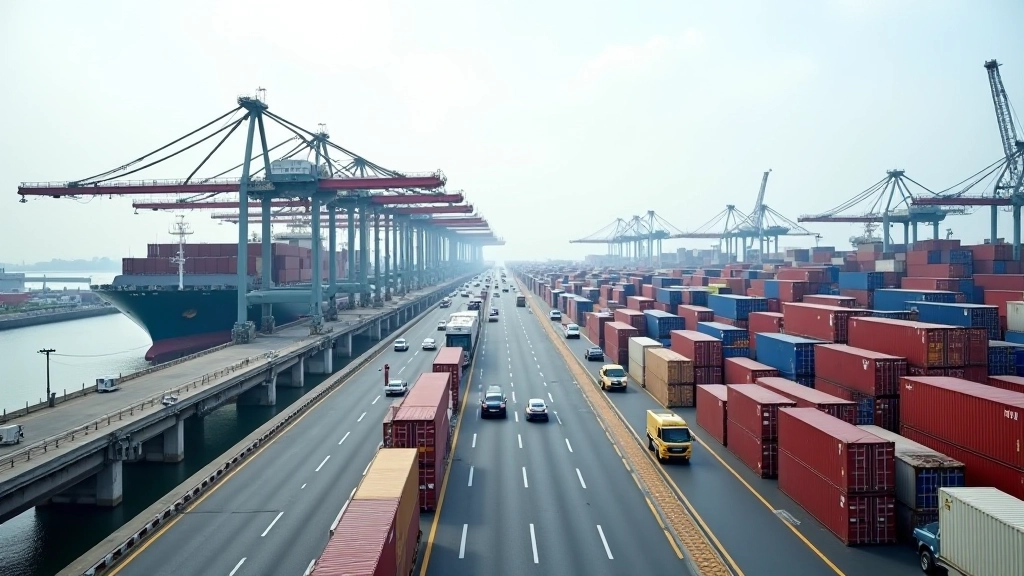
The modernization isn’t stopping. Port authorities are planning the next phase. Deeper channels to accommodate larger vessels. Expanded container yards. More rail connections to inland hubs. They’re investing in sustainability too — electric cranes, renewable energy powering port operations, reduced carbon emissions from optimized vessel routing.
The competition is real. Singapore’s ports are advanced. Hong Kong’s shipping industry is massive. But Malaysia’s advantage is geography and cost. With modern infrastructure matching international standards, the region is becoming increasingly attractive to global logistics companies. That’s the real win — not just moving containers faster, but positioning Malaysia as the preferred gateway for Southeast Asian trade.
Infrastructure Investments Through 2028
Understanding Port Economics
Port modernization is just one piece of Malaysia’s broader infrastructure strategy. It’s connected to MRT expansion, highway investments, and smart city development. They’re all working together to create economic momentum.
Explore the Full Infrastructure StoryAbout This Article
This article provides educational information about Malaysia’s port modernization initiatives and their economic impact. The statistics and timelines referenced are based on official port authority announcements and industry reports from 2024-2026. Specific performance metrics may vary by source and are presented for informational purposes. For current operational data or business inquiries, contact the relevant port authorities directly.