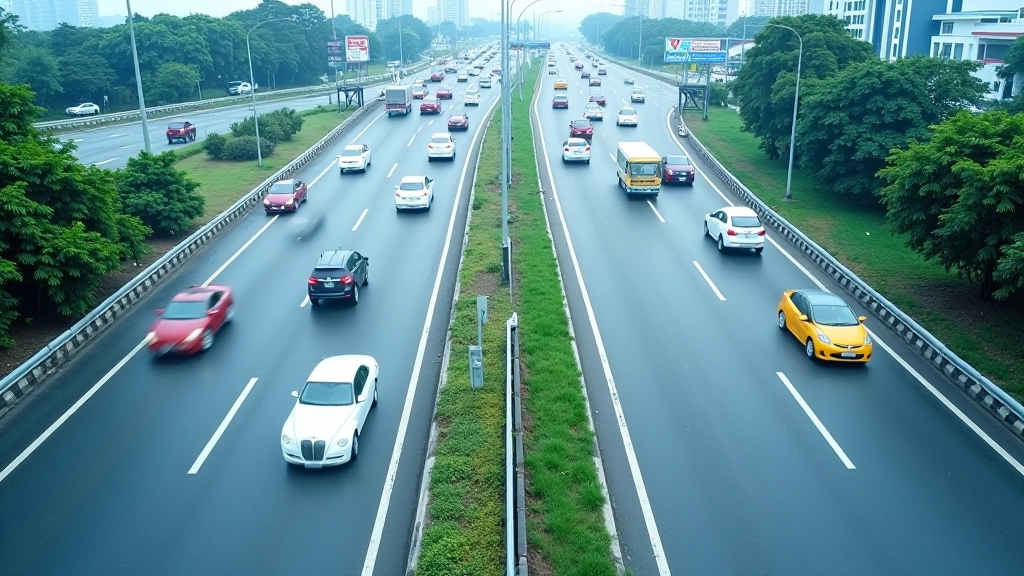

MRT and LRT Expansion: Measuring Economic Returns
How the Klang Valley MRT expansion is reducing travel time by 30 minutes for commuters and generating measurable economic multiplier effects across the region
Read ArticleHow Kuala Lumpur’s integration of IoT sensors, AI traffic management, and real-time data analytics is reshaping urban living and economic productivity
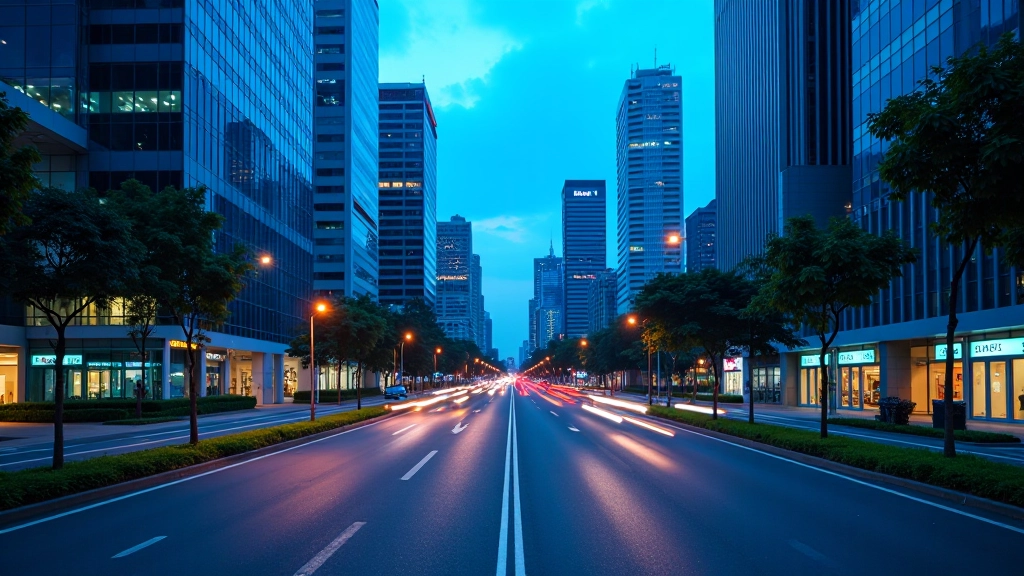
Malaysia’s smart city initiatives aren’t just about fancy technology—they’re fundamentally changing how millions of people move through cities, do business, and live their daily lives. We’re talking about systems that actually work, solving real problems that residents face every single day.
The vision is clear: create urban environments where traffic flows smoothly, utilities operate efficiently, and citizens have better access to services. But here’s the thing—it’s not happening overnight. These projects represent significant investments in infrastructure, data systems, and continuous innovation. Malaysia’s approach combines proven international practices with localized solutions designed specifically for our climate, geography, and population needs.
What makes this genuinely interesting isn’t just the technology itself. It’s how these initiatives generate economic returns—through reduced commute times, lower operational costs for businesses, improved safety metrics, and creating entirely new job categories in tech and urban management.

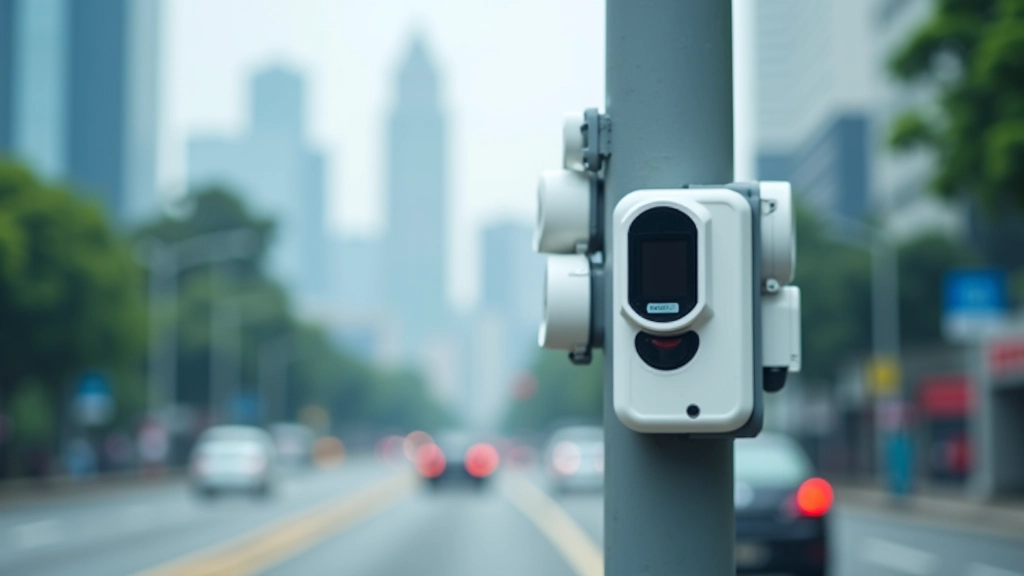
Internet of Things sensors form the backbone of Malaysia’s smart city infrastructure. These aren’t futuristic concepts—they’re deployed right now across Kuala Lumpur and other major cities. We’re talking about thousands of sensors monitoring everything from air quality and noise pollution to traffic density and parking availability.
Here’s what actually happens: Traffic sensors at major intersections detect vehicle flow patterns in real-time. This data feeds into traffic management systems that adjust signal timing automatically. The result? Commuters experience fewer traffic jams, reduced idle time, and shorter overall journey times. Some corridors have seen 20-25% improvements in traffic flow efficiency.
Environmental monitoring is equally important. Air quality sensors distributed across the city provide hourly updates. When pollution levels spike in specific areas, the system alerts authorities and adjusts ventilation in subway stations. For residents with respiratory conditions, this real-time data helps them plan their daily activities more effectively.
Parking is another area where IoT makes a genuine difference. Instead of circling neighborhoods searching for available spaces, drivers use mobile apps showing exactly where parking exists. This simple feature reduces unnecessary vehicle movement, cutting emissions and fuel consumption significantly.
Five core systems driving Malaysia’s urban digital transformation
Adaptive signal systems that respond to real-time traffic conditions, reducing congestion and improving commute predictability across major corridors
Automated climate control, lighting, and energy systems in commercial buildings that reduce operating costs by 15-20% annually
Real-time monitoring of water and electricity distribution networks detects leaks and inefficiencies, preventing waste before it becomes costly
Connected emergency response systems with CCTV networks and incident tracking improve response times and coordination between agencies
Mobile apps that integrate transit schedules, parking information, air quality data, and municipal services into single accessible platforms
Centralized system aggregating data from all sensors and services, enabling predictive analytics and coordinated decision-making across city departments

The economics behind smart city investments are compelling. When you reduce traffic congestion by 20-25%, you’re not just saving individual commuters time—you’re generating measurable economic value. Studies show that every hour saved in commuting time translates to increased productivity, reduced stress-related health costs, and more time for family and leisure activities.
Energy efficiency gains are substantial. Smart building systems automatically adjust lighting and climate control based on occupancy and external conditions. Buildings implementing these systems consistently report 15-20% reductions in energy consumption. Over a city the size of Kuala Lumpur with thousands of buildings, that’s millions of ringgit saved annually.
Water management improvements address a critical resource issue. Smart metering detects leaks within minutes instead of days. Municipal water departments using these systems have reduced non-revenue water loss from 35-40% down to 20-25%—that’s real water saved and real money recovered.
“Smart city infrastructure isn’t a luxury—it’s becoming essential infrastructure for competitive cities. The question isn’t whether to invest, but how to invest wisely.”
— Urban Development Expert, Malaysian Institute of City Planning
Rolling out smart city infrastructure across an existing urban landscape isn’t straightforward. Malaysia’s approach balances innovation with practical reality. The initial challenge? Legacy infrastructure. Cities don’t get rebuilt from scratch—they evolve from existing systems. Integrating new IoT networks with aging water pipes, electrical grids, and traffic signals requires careful planning and significant upfront investment.
Data security is another critical concern. When you’re collecting information from thousands of sensors across a city, protecting that data becomes paramount. Malaysian smart city projects implement multiple layers of security: encrypted data transmission, secure storage protocols, and strict access controls. Regular security audits ensure systems stay protected against emerging threats.
Public adoption matters enormously. The most sophisticated traffic system fails if citizens don’t use it. This is why Malaysian smart city programs invest heavily in public education. Apps must be intuitive, information must be accurate and timely, and users need to see real benefits quickly. When commuters see they’re saving 15-20 minutes daily through intelligent routing, adoption becomes organic.
Funding structures are creative. Rather than burdening municipal budgets alone, many projects use public-private partnerships. Companies providing technology solutions share in efficiency gains, creating aligned incentives. This approach accelerates implementation while spreading financial risk.

Current smart city systems are impressive, but they’re just the beginning. The next evolution involves artificial intelligence and machine learning. Rather than simply reacting to current conditions, AI systems will predict problems before they occur.
Imagine traffic systems that forecast congestion hours in advance based on historical patterns, weather, special events, and social media signals. Utilities could predict equipment failures before they happen, scheduling preventive maintenance during off-peak hours. Emergency services could position resources based on predicted incident locations. These aren’t distant possibilities—they’re being developed and tested right now.
The integration of 5G networks will accelerate this transformation. Faster, more reliable data transmission enables real-time applications that are currently impractical. Autonomous vehicles, remote surgery in hospitals, and instant emergency response systems all depend on ultra-reliable, low-latency connectivity that 5G provides.
Malaysia’s position as a regional technology hub positions it well to lead in smart city innovation. The combination of government commitment, private sector capability, and growing digital expertise creates an ecosystem where these technologies can develop and scale.
Smart city initiatives represent more than technology deployment—they’re fundamental reimagining of how cities function. Malaysia’s approach demonstrates that it’s possible to integrate sophisticated systems while keeping focus on what matters most: improving daily life for residents and creating economic opportunity.
The real measure of success isn’t the complexity of the technology. It’s whether someone sitting in traffic experiences fewer delays, whether a family’s electricity bill decreases, whether emergency responders reach people faster, and whether the city becomes more livable overall. By those standards, Malaysia’s smart city initiatives are already delivering genuine value.
The journey continues. As technology evolves and new applications emerge, these systems will become more sophisticated, more integrated, and more impactful. For businesses, residents, and policymakers watching Malaysia’s smart city evolution, one thing’s certain: the cities that embrace this transformation will outcompete those that don’t.
Understand how smart city initiatives connect to broader infrastructure development and economic growth across Malaysia.
View Infrastructure ResourcesThis article provides informational content about smart city initiatives and technologies in Malaysia. The statistics, timelines, and technical specifications mentioned are based on available research and public information. While we’ve aimed for accuracy, specific performance metrics may vary by implementation location and conditions. This content is educational in nature and should not be construed as technical advice, investment guidance, or policy recommendations. For specific project details or technical implementations, consult directly with relevant government agencies or technology providers. Urban development projects are ongoing and subject to change—please verify current status with official sources.