Employment and Skills Development
Let’s talk about the 15,000+ jobs created. This wasn’t just temporary construction work, though the building phase certainly employed thousands of engineers, electricians, and laborers. The real employment story continues after the ribbon-cutting.
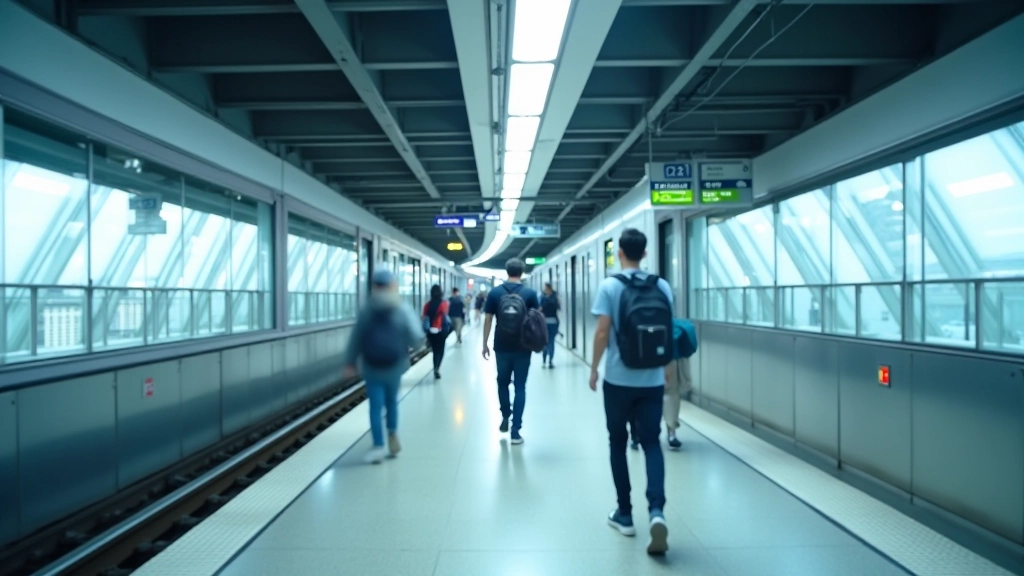
Operating a modern transit network requires specialized skills. Train operators need certification and ongoing training. Station managers oversee operations. IT specialists maintain the digital systems. Maintenance technicians keep everything running smoothly. These aren’t minimum-wage positions—they’re skilled jobs paying RM3,500-8,000 monthly depending on experience and role.
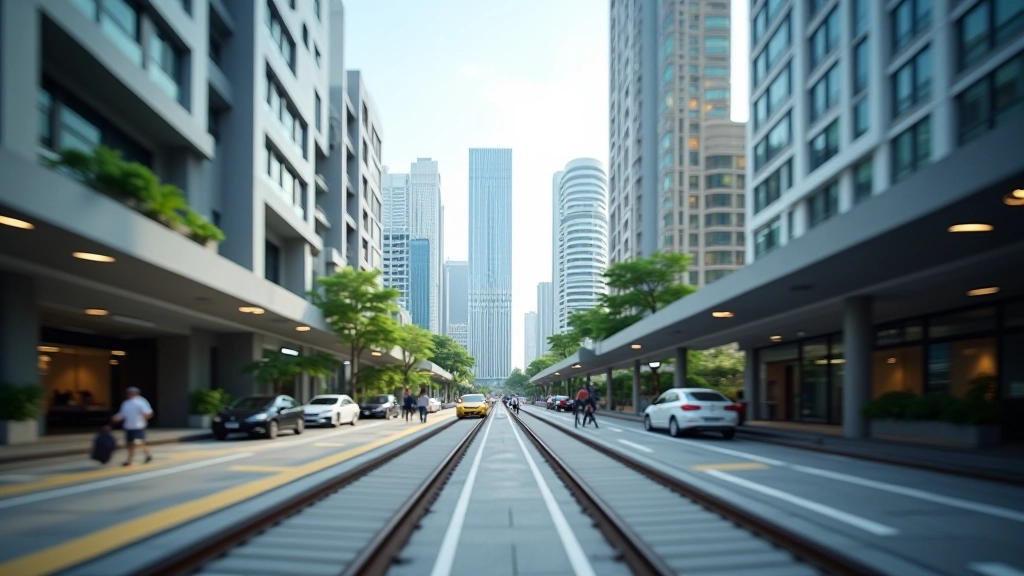
But here’s what doesn’t get counted in official statistics: the secondary employment effects. A busier station means more demand for retail, food services, and small businesses. We’re talking about coffee shops, convenience stores, restaurants, and service providers clustering around major transit nodes. In areas like Bukit Bintang and KL Sentral, entire commercial ecosystems formed because of transit connectivity.